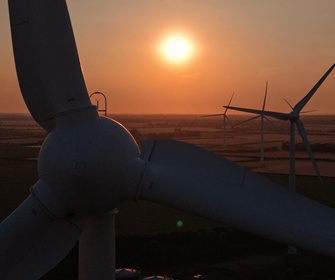





A new study by the Baltic Offshore Grid Initiative shows the Baltic Sea region could play a major role in Europe’s clean energy transition. Offshore wind capacity could increase by up to 50 GW by 2040, with the largest growth in Poland, Finland and Sweden. The Baltic States could also develop significant capacity, while Denmark and Germany are limited by available offshore areas.
The study highlights the importance of 13 GW of new electricity interconnectors, mostly direct links between countries, which would balance production, smooth seasonal fluctuations and support regional electricity exports. Some offshore nodes could act as hybrid hubs, with the Danish island of Bornholm emerging as a key linking point.
The analysis also includes hydrogen production, showing how offshore wind could supply electricity both directly and via electrolysis. Sensitivity scenarios indicate that the scale of offshore wind and hydrogen development depends on future electricity and hydrogen demand, onshore renewable availability and infrastructure costs.
Even in all scenarios, offshore wind remains central to the regional energy mix, and interconnectors are essential for cost-effective, secure and resilient energy systems. Coordinated planning across countries, Transmission System Operators and developers is needed to realise the full potential of the Baltic Sea region.