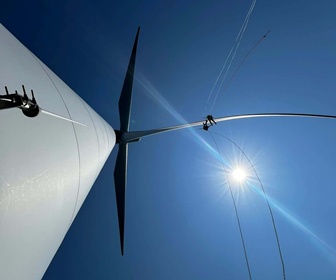





Wind and solar generation continued to grow in the USA during the first half of 2026, with wind-generated electricity increasing by 6.5% compared with the same period in 2025. Overall renewable electricity generation increased by 10.9% and accounted for 30.2% of total US electricity generation, according to data from the U.S. Energy Information Administration (EIA) reviewed by the Sun Day Campaign.
Wind and solar, including small-scale solar, together accounted for 22.3% of US electricity generation during the first half of 2026. Their combined output was 58% higher than electricity generated by coal plants and 28% higher than nuclear generation. In June, solar generation exceeded both wind and hydropower, making it the largest renewable source for the month.
Wind capacity also continued to expand. Between July 2025 and June 2026, US wind capacity increased by 10,552.9 MW, including 800 MW of offshore wind. Over the same period, utility-scale solar capacity increased by 28,076.7 MW, while small-scale solar capacity grew by 6,492.0 MW. Total renewable energy capacity, including hydropower, biomass and geothermal, increased by 44,889.3 MW.
Over the past five years, wind energy generating capacity in the USA has increased by 32.7% and has more than doubled over the past decade. Solar capacity has grown more rapidly, with combined utility-scale and small-scale solar capacity increasing by 274% over the past five years.
The EIA expects wind capacity to increase by a further 10,216.8 MW between June 2026 and June 2027, including 4,165.0 MW of offshore wind. Utility-scale solar capacity is projected to increase by 43,649.2 MW over the same period. The combined increase in utility-scale renewable capacity is expected to reach 54,125.7 MW, 41% more than the increase recorded during the previous 12 months.
Battery energy storage capacity is also expected to expand, with the EIA forecasting an additional 22,788.4 MW by July 2027. Including utility-scale renewable energy, this would add 76,914.1 MW of new clean energy capacity. If small-scale solar is included, the total could approach or exceed 83 GW.
The data also show a longer-term shift in the US electricity mix. Renewable sources accounted for 30.2% of electricity generation in the first half of 2026, compared with 16.9% in the first half of 2016. Over the same decade, wind's share increased from 6.0% to a substantially higher level, while solar's share rose from 1.3% to a rapidly expanding contribution. During the next 12 months, the EIA expects no new nuclear generating capacity and a net decline of 3,143.4 MW in fossil fuel capacity.