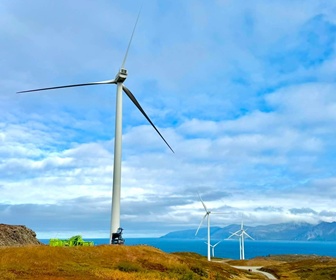




Offshore wind is expected to play a central role in Denmark’s clean energy system. The country plans to establish an artificial island in the North Sea with an initial capacity of 3 GW, alongside another island-based hub at Bornholm in the Baltic Sea. These hubs are intended to collect electricity from offshore wind turbines, transmit power to shore and neighbouring countries, and convert surplus electricity into green fuels through Power-to-X technologies. According to GlobalData, Denmark’s energy islands could have a regional role by supporting cross-border electricity flows and the integration of offshore wind generation.
GlobalData’s latest report, Denmark Power Market Trends and Analysis by Capacity, Generation, Transmission, Distribution, Regulations, Key Players and Forecast to 2035, projects that Denmark’s electricity generation will increase steadily from around 33.6 TWh in 2025 to about 43.3 TWh by 2035. The increase is expected to be driven mainly by wind power, solar PV and biopower.
Renewables accounted for more than 76% of Denmark’s installed generation capacity in 2025, with this share projected to reach nearly 87% by 2035. The growing share of variable renewable generation will increase the need for system flexibility. Gas-fired generation, biopower, battery storage and thermal storage, together with demand response, are expected to support the electricity system as coal generation is phased out completely by 2028.
Electricity trading with Norway, Sweden and Germany is also expected to increase. The artificial islands could provide infrastructure for integrating offshore wind generation, producing green hydrogen and exporting surplus renewable electricity to neighbouring countries.
With Denmark already strongly interconnected with the Nordic and European electricity markets, the energy islands could help reduce dependence on electricity imports while supporting Denmark’s position as a net exporter of renewable electricity and hydrogen-derived products.